

1. Introduction
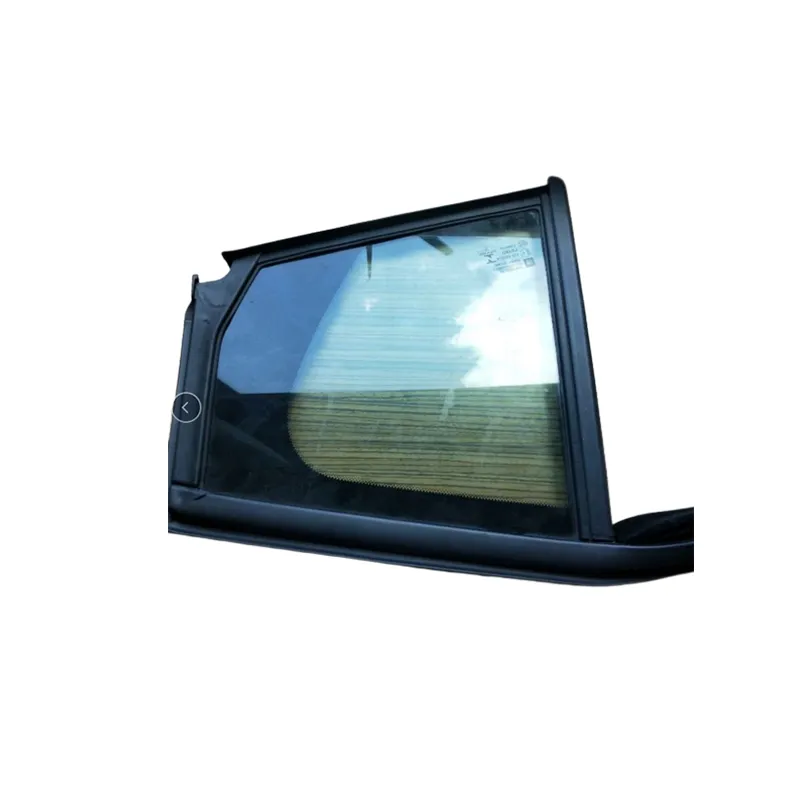
Glass Encapsulation is the process of enclosing sensitive components within a glass-based protective shell. With a base composition of 98% silicon dioxide and 2% performance additives, cured at 120 °C for 10 minutes or UV-exposed for 60 seconds, it delivers a minimum tensile strength of 80 MPa and adhesion over 5 MPa. Engineered for harsh environments, Glass Encapsulation is ideal for Automotive rubber parts and Automotive TPV parts, and excels when applied to Automotive EPDM parts. It integrates seamlessly with 2K molds and over molds to meet the exacting tolerances of modern automotive assembly.
2. Process Workflow
Step 1: Surface Preparation
- Clean substrates to ISO 5 standards before processing Automotive rubber parts, Automotive TPV parts, Automotive EPDM parts.
Step 2: Masking & Mold Alignment
- Employ precision tooling in 2K molds and over molds to position components within ±0.05 mm.
Step 3: Glass Application
- Apply a uniform 50–200 µm liquid glass layer over Automotive rubber parts, Automotive TPV parts, Automotive EPDM parts.
Step 4: Curing & Inspection
- Final curing cycle validated for automotive-grade resilience: Automotive rubber parts, Automotive TPV parts, Automotive EPDM parts, 2K molds, and over molds pass humidity and salt-spray tests to ASTM B117.
3. Technical Specifications
• Composition: 98% SiO₂, 2% adhesion/flexibility additives
• Cured Hardness: Mohs 6.5–7.0
• Coating Thickness: 50–200 µm (±5 µm)
• Operating Temperature: -40 °C to +150 °C
• Dielectric Strength: 12 kV/mm
• Moisture Ingress Protection: IP68 certified for Automotive rubber parts, Automotive TPV parts, Automotive EPDM parts
4. Case Study: Sensor Seal in EPDM Housing
A Tier 1 OEM reported a 30% reduction in field failures when embedding electronic sensors in Automotive EPDM parts using our Glass Encapsulation. After 100,000 thermal cycles (-40 °C to +125 °C) and 1,000-hour salt-spray exposure, assemblies molded in 2K molds and over molds maintained 99.7% insulation.
5. Applications
• Automotive rubber parts – moisture barrier, chemical resistance, dielectric protection
• Automotive rubber parts – UV stability, abrasion resistance
• Automotive TPV parts – sealing sensors, vibration dampening
• Automotive TPV parts – high-precision coating in multi-component assemblies
• Automotive EPDM parts – under-hood sensor protection, ozone resistance
• Automotive EPDM parts – switchgear encapsulation
• 2K molds – co-injection process for dual-material assemblies
• 2K molds – integrated overmolding with tight tolerances
• Over molds – secondary sealing for complex geometries
• Over molds – protective layer over molded sub-assemblies
6. Why Derco
• 10+ years’ experience in rubber mold design for Automotive rubber parts, Automotive TPV parts and Automotive EPDM parts
• Turnkey solutions using advanced 2K molds and specialized over molds
• ISO 9001 and IATF 16949 certified processes, zero-defect target
7. Contact Information
For inquiries on Glass Encapsulation for Automotive rubber parts, Automotive TPV parts, Automotive EPDM parts, 2K molds, or over molds, please contact:
WhatsApp: +86 136 2095 8219
Email: Sales@derco-mould.com
Derco’s Glass Encapsulation solutions combine proven material science with precise mold technology—ensuring your next-generation automotive components meet performance, longevity, and reliability targets.
